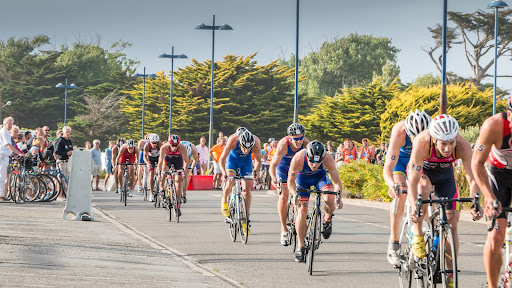
The Tour de France is one of the most prestigious and well-known cycling races in the world. First held in 1903, it has grown to become a symbol of endurance, strategy, and athletic prowess. This blog post explores the rich history and evolution of this iconic race, delving into its origins, key milestones, and the modern era that has shaped its current form.
Early Years
The Tour de France was first organised by the French newspaper L’Auto in 1903 to boost its circulation. The inaugural race covered a staggering 2,428 kilometres and took place over six stages. Maurice Garin emerged as the first winner, setting the stage for what would become a legendary event in the world of sports. During these early years, the race was a true test of physical and mental endurance, with riders facing gruelling conditions and long, exhausting stages.
Key Milestones
1919: Introduction of the Yellow Jersey
One of the most significant milestones in the history of the Tour de France was the introduction of the yellow jersey (maillot jaune) in 1919. The yellow jersey is awarded to the overall race leader and has become one of the most coveted prizes in cycling. This iconic piece of clothing not only signifies the current leader but also adds an element of prestige and visibility to the competition, making it easier for fans to follow the race’s progress.
1930: National Teams
In 1930, the format of the race was changed to feature national teams instead of sponsored teams. This change aimed to reduce the influence of commercial interests and promote national pride among competitors and fans. By representing their countries, riders could foster a sense of unity and camaraderie, and the new format also helped level the playing field, ensuring that the race remained a pure competition of athletic skill.
1953: Green Jersey
The green jersey (maillot vert) was introduced in 1953 to honour the best sprinter in the race. This addition provided an exciting new dimension to the competition, recognising the skill and speed of sprinters. The green jersey added another layer of strategy to the race, as teams now had to balance supporting their overall leader with helping their sprinters accumulate points in the various stages.
Modern Era
Technological Advancements
The Tour de France has seen numerous technological advancements over the years. From lightweight carbon fibre bikes to advanced nutrition and training methods, technology has played a crucial role in shaping the modern race. Riders now benefit from state-of-the-art equipment, including aerodynamic helmets, electronic shifting systems, and precise power metres, all of which contribute to optimising performance and enhancing the competition.
Globalisation
While the Tour de France was initially a French event, it has grown to attract participants and fans from all over the world. The race is now broadcast globally, and international riders have become prominent figures in the competition. This globalisation has expanded the Tour’s appeal, bringing diverse cultures and perspectives to the race, and making it a truly international spectacle.
Controversies and Challenges
Doping Scandals
The Tour de France has not been without its challenges. Doping scandals have marred the race’s reputation, with several high-profile riders being stripped of their titles. Efforts to combat doping have intensified, leading to stricter regulations and testing protocols. These measures aim to preserve the integrity of the sport and ensure that the competition remains fair and clean.
Safety Concerns
The safety of riders has always been a concern, with numerous accidents occurring over the years. Organisers continuously work on improving safety measures to protect the athletes and ensure a fair competition. This includes better road conditions, enhanced medical support, and more stringent rules regarding race conduct, all designed to minimise risks and safeguard the well-being of participants.
Conclusion
The Tour de France has evolved significantly since its inception in 1903. Despite facing numerous challenges, it remains a symbol of endurance, strategy, and athleticism. As the race continues to grow and adapt, it will undoubtedly remain a beloved event for cycling enthusiasts worldwide.
Written by Niall O’Riordan UBS